
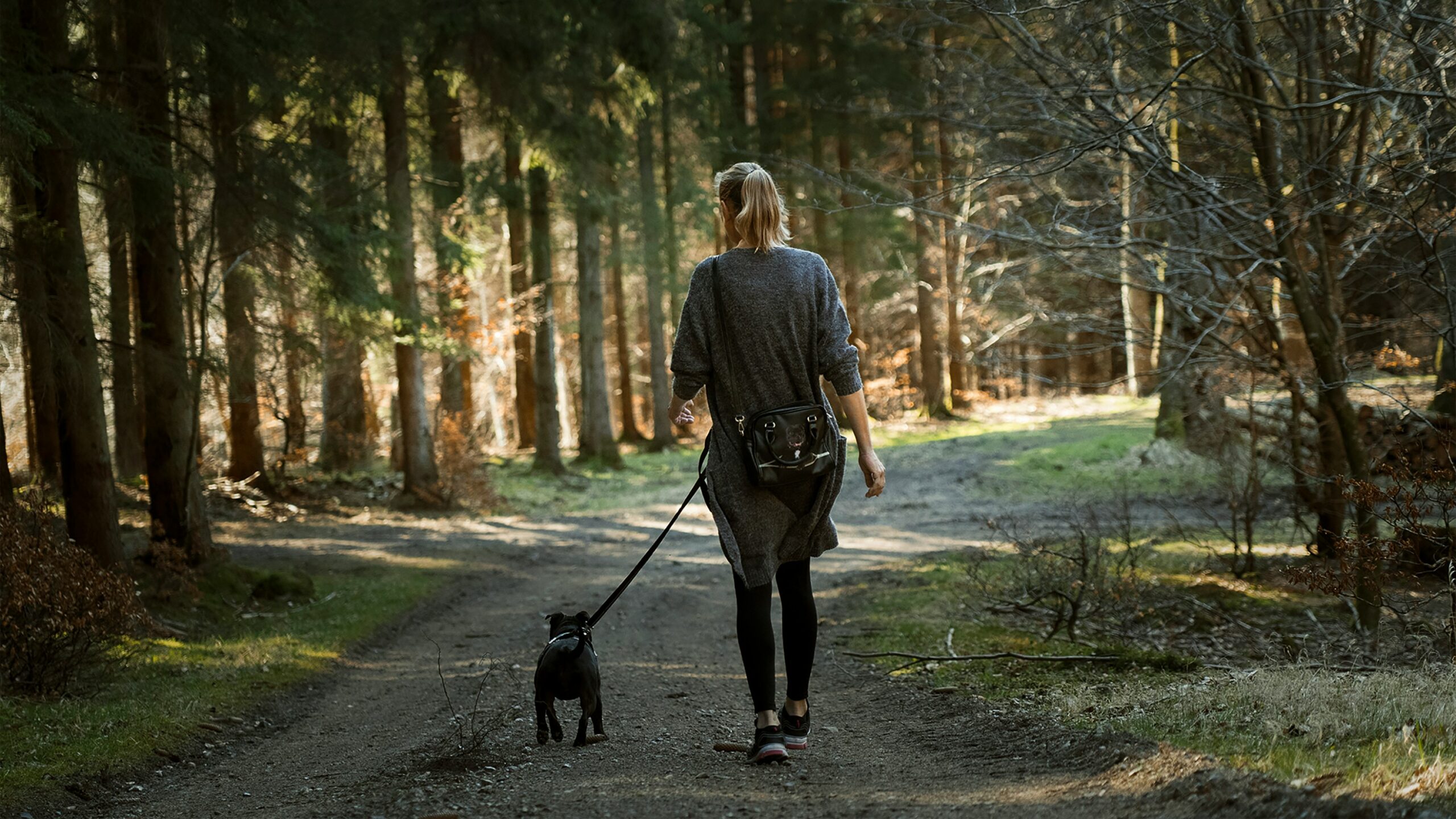
In a world that demands so much of us, moments of stillness are precious. They allow us to pause, take a breath, reset our nervous system and reconnect with the present moment.
Appreciating stillness and slowness amongst busyness and rushing is by no means new. Across cultures, there are practices that encourage people to honour the pause and take care of themselves. I’ve been very inspired by these practices and the ideas they spark about how we can create slow moments in our own lives.
I know a lot of the Esker Fields community are working mums like me. A slow life isn’t possible! Finding restorative moments here and there makes the busyness more manageable.
Explore how different cultures honour slowness and stillness and think about how you can bring these opportunities to destress into your life.
How to honour slowness

Japanese Shinrin-yoku
This is the practice of forest bathing. The idea is that you immerse yourself in nature to experience calm and clarity. There is something so mindful about connecting to the trees, flowers, birds and the nature around us that we so often rush past. It brings us right back to the present moment.
The origin of this term is very poignant. It was only coined in the 1980s but this timing is no coincidence. It was a response to urbanisation and technological development which led to a disconnection from nature that has only grown since.
How can you reconnect with nature? You might not have time to go for a walk in a forest but what could you do? Going on a scenic walk in your area or having your morning coffee in the garden could be all you need to enjoy nature and its therapeutic benefits.
Swedish Fika
In Sweden, going for a coffee break is called going for a fika. It’s often accompanied by a sweet treat. The practice of fika is about more than getting a caffeine and sugar hit. It’s about the practice of pausing, resting and reconnecting. While you can fika solo, it’s often done with other people. You put your phone away and focus on having a meaningful conversation with the people around you.
Fika is such a valued tradition that some workplaces schedule fika breaks. One in the morning and one in the afternoon, for example. With the rise of remote and hybrid working, we’re losing the art of grabbing a cuppa and having a chat. Let’s bring it back because it creates time for pause and personal connection.
How can you use coffee (or tea!) breaks to pause and connect in your day? It could be meeting up with a friend for a coffee once a week or it could be staying off your phone whenever you make yourself a cuppa so you can connect to the present moment.
Spanish siesta
The siesta is one of the most well-known cultural practices on this list. If you have ever visited Spain, you might have noticed that some businesses close for a few hours in the early afternoon to have a siesta. It’s a great way to escape the heat and come back refreshed when the temperature is cooler!
The idea of taking an afternoon nap might not seem feasible for you. Many of us barely have enough time in the day as it is. But I want you to think about what you could do in the afternoon to recharge your batteries. Instead of pushing through and crashing in the evening because you are so exhausted, what would give you a boost?
You could do something like listening to a guided meditation. I created one that’s just 6 minutes long. It gives you the opportunity to pause, reset and recharge before getting on with the rest of your day. Download our free relaxation meditation HERE.
Indian Pranayama
Pranayama is the practice of controlling the breath through different exercises that help you connect to yourself and the present moment. It originates from India as part of yoga practice. Breathing is an important part of traditional yoga. It’s not just about stretching but caring for yourself, mind, body, and spirit.
The great thing about breathwork exercises is that you can do them anywhere at any time. The breath is our constant anchor. How could you use this anchor during the day to stay steady in moments of stress? Slowing the breath can make you feel less stressed. The breath often gets quicker and shallower as part of the nervous system’s stress response. By slowing your breathing, you ground your mind and body.
If you struggle to control or slow your breathing, use essential oils during breathwork. The particles from the essential oils influence the part of the brain that controls the physical functions of the stress response. So you’ll find your body starts to relax which makes it easier to connect to the breath. I’d recommend our Relax Rollerball for this.
Danish hygge
The Danish word ‘hygge’ roughly translates to cosiness but it’s more than a descriptive word. For the Danes, it’s a way of life. It’s all about enjoying the small things that bring comfort and joy, especially with the people that matter most to you.
Hygge is a lovely sentiment that you can use in your own way. How could you bring more hygge into your week or even daily life? What small things light you up? Don’t put them off. Make them part of your routine. You deserve to have moments of joy.
For me, on a daily basis, my hygge is my skincare routine. Morning and night, it’s a non-negotiable for me. The gorgeous aromas are so relaxing. Taking a moment to massage my face is such a beautiful pause. Not to mention my skin feels amazing afterwards! On a weekly basis, I take a little more time for hygge and have an aromatherapy bath. I get to soak in essential oil aromas and fully decompress.
I hope this has shown you the value of slowness and the different forms stillness can take. You can make it work for you and your routine, however busy. What matters is that you do something to care for your wellbeing on a regular basis. Don’t wait until you have time because you never will! Make it a ritual that you honour every day or week.
At Esker Fields, we have essential oil infused products that make simple everyday moments feel like a relaxing ritual. Discover our skincare, bodycare and aromatherapy rollerballs.